
Procedure · July 2, 2026 · 6 min · By Kofi Adusei
Anesthesia for a BBL: General vs. Sedation, and Why the Anesthesia Team Matters
Patients research their surgeon for months and never ask who is managing the anesthesia. For a BBL, that second question deserves nearly equal weight.
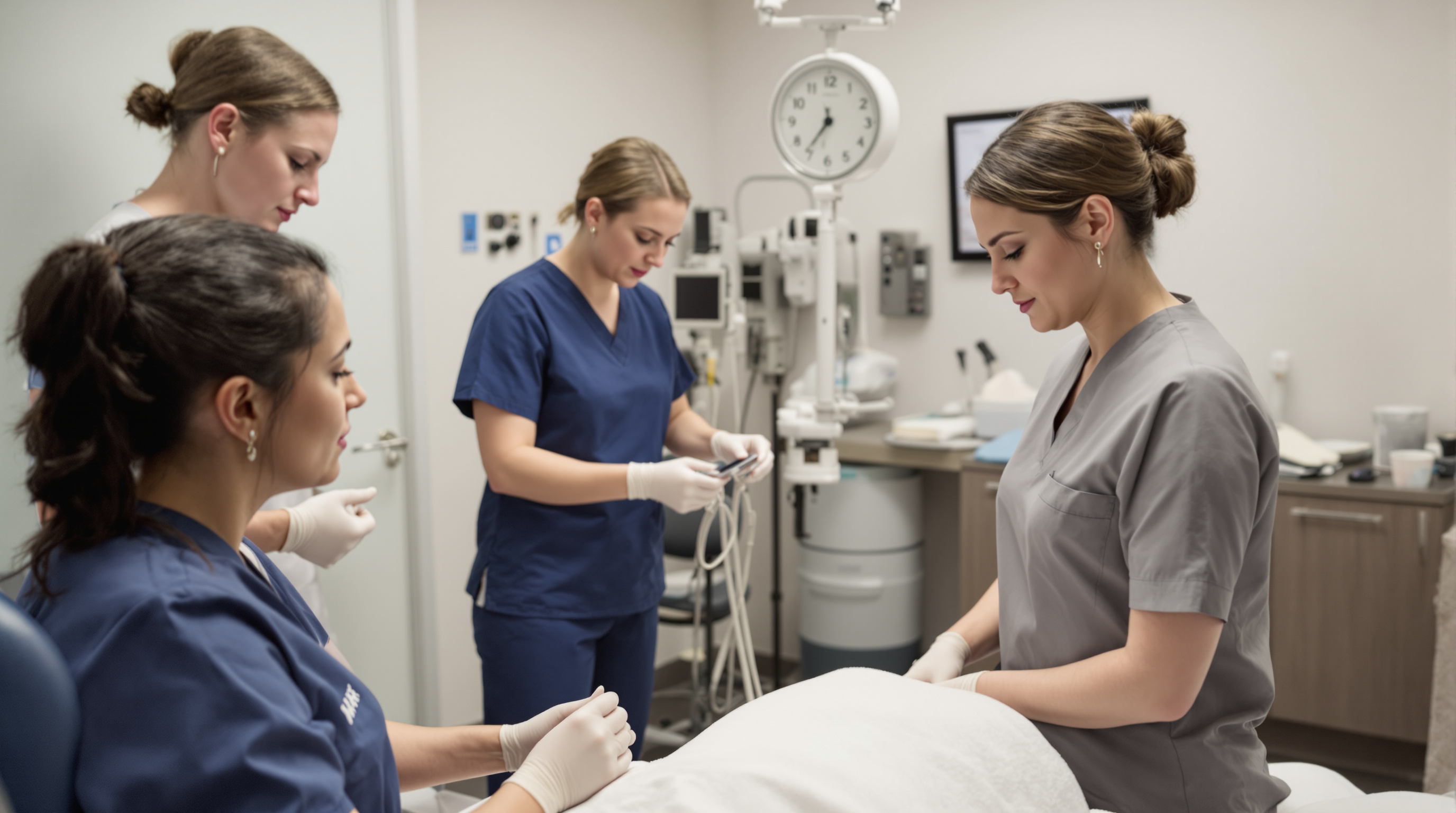
Ask a prospective patient how they chose their surgeon and you will hear about board certification, before-and-after photos, and reviews. Ask who will be managing their anesthesia and you will usually get a blank look. That gap matters more for a Brazilian butt lift than for almost any other cosmetic operation, because the procedure combines a long operating time, large fluid shifts from liposuction, and prone positioning that complicates airway management. The anesthesia plan is not a formality. It is a core part of the safety architecture.
The two main approaches
Most BBLs in accredited facilities are performed under general anesthesia. The patient is fully unconscious, the airway is secured with a breathing tube or laryngeal mask, and a dedicated provider monitors ventilation, blood pressure, temperature, and fluid balance for the entire case. General anesthesia gets an unfair reputation as the riskier option. For a long prone-position case with significant liposuction, it is usually the more controlled one, precisely because the airway is secured before the patient is turned face down.
The alternative is deep intravenous sedation, sometimes marketed as twilight anesthesia, typically paired with tumescent local anesthetic in the areas being suctioned. Done well, in a properly monitored setting with a qualified provider, sedation can be appropriate for smaller-volume cases. The problem is that sedation is also the approach favored by discount operators, because it is cheaper and does not always require an anesthesiologist. A sedated patient lying prone, with an unsecured airway, in a facility without full resuscitation equipment is a very different risk profile from the same drugs given in an accredited operating room.
Why a BBL stresses the anesthesia plan
Three features of the operation deserve attention. First, duration: a BBL is really two procedures, liposuction followed by fat grafting, and combined times of three to five hours are common. Longer cases mean more anesthetic exposure, more heat loss, and more attention to positioning injuries.
Second, fluid shifts. Tumescent liposuction infuses liters of dilute anesthetic solution and then removes fat and fluid together. The anesthesia provider has to track what went in, what came out, and what the heart and kidneys are doing with the difference. Large-volume cases are exactly where an experienced provider earns their fee.
Third, the prone position. Grafting the buttocks requires the patient face down, which restricts chest expansion, makes the airway harder to reach in an emergency, and requires careful padding of the face, eyes, and pressure points. Anesthesia teams that do this weekly have positioning protocols down to the centimeter. Teams that rarely work prone do not.
Questions worth asking at the consult
A short list separates serious practices from the rest. Who is providing anesthesia: a physician anesthesiologist, a certified registered nurse anesthetist, or the surgeon supervising sedation themselves? Will that provider be dedicated to your case and present for the entire operation? Is the facility accredited by AAAASF, AAAHC, or The Joint Commission, and is there a transfer agreement with a nearby hospital? None of these are exotic questions, and a qualified surgeon will answer them without flinching. Evasiveness on any of them is a legitimate reason to walk away.
It is also fair to ask how your medical history changes the plan. Sleep apnea, obesity, reflux, and certain medications all shift the calculus between sedation and general anesthesia. A practice that quotes you an anesthesia approach before taking a history is selling a package, not planning an operation.
The recovery side of the choice
Anesthesia choice shapes the first day of recovery more than the first month. General anesthesia can mean more grogginess and nausea in the first hours, though modern anti-nausea protocols have narrowed that gap considerably. Sedation patients often feel clearer sooner but may have experienced more discomfort intraoperatively if the local anesthetic coverage was uneven. By the time the real recovery work begins, the pressure rules, the garments, and the sleeping positions covered in our week-by-week recovery guide, the anesthesia method has largely washed out of the picture.
The bottom line
There is no single correct anesthesia answer for every BBL, but there is a correct process: a real preoperative assessment, a dedicated and qualified provider, an accredited facility, and a plan matched to the volume of fat being moved and to your own health. The cheapest quote in town is often cheap precisely because one of those four elements is missing. Anesthesia is the part of the operation you will never see. Choose a team that treats it as seriously as the part you will.